Part of Cloud & Infrastructure
Cloud operations
We run, monitor and continuously improve your cloud environments, so services stay available and incidents are resolved quickly.
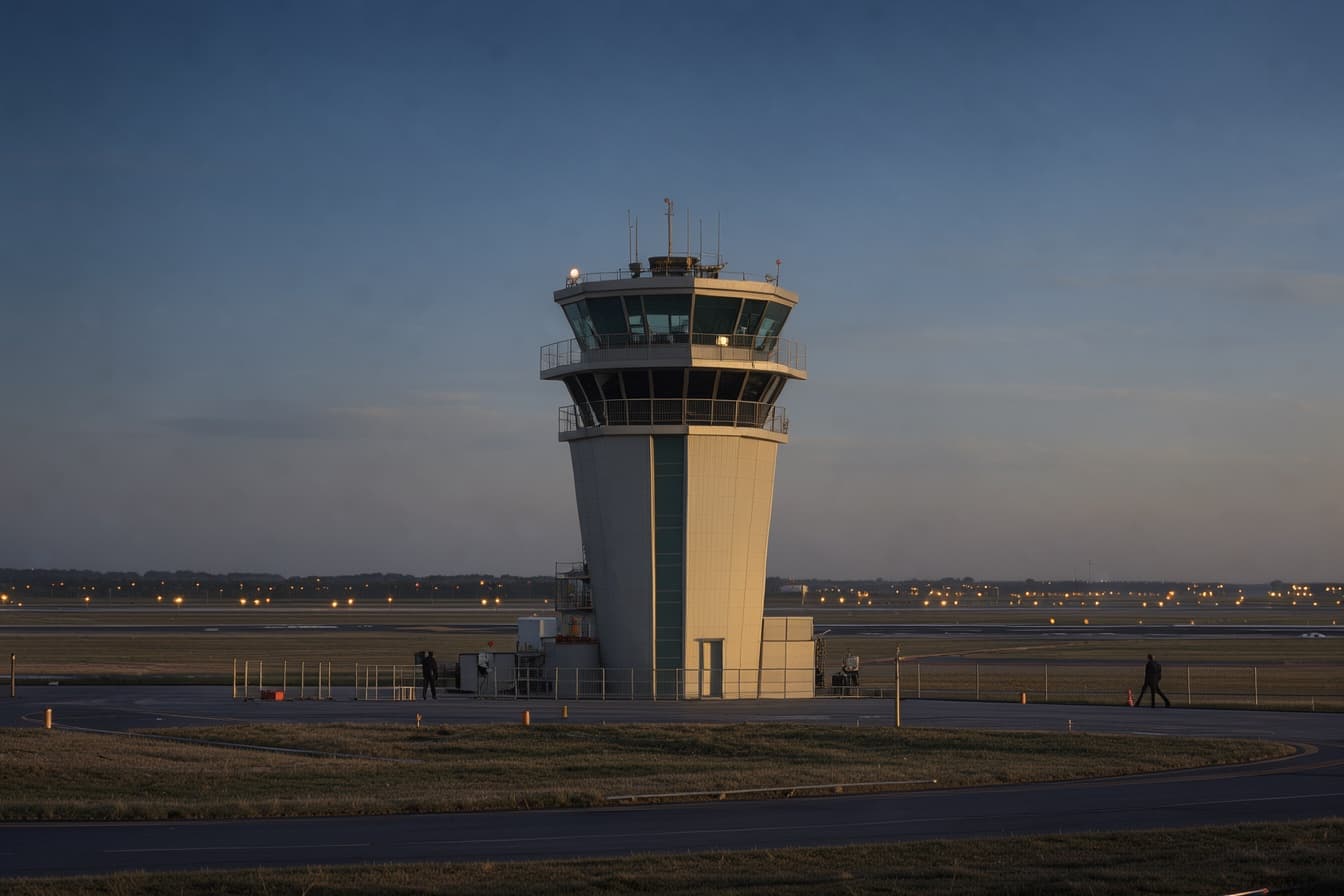
Migration is the start of the work, not the end. Reliable operations depend on clear service levels, good observability and a team that learns from every incident.
When to call us. Signs it’s time for this work.
- Users report outages before your monitoring does.
- Incident response depends on one or two people who know everything.
- Patching, backups and access reviews happen when someone remembers.
- Your team is stretched between running systems and building new ones.
What’s included. Scoped to your context, delivered end to end.
- 01
Observability and monitoring
Metrics, logs, traces and alerts tuned to business services, so the right person hears about real problems first.
- 02
Site reliability engineering
Service-level objectives, error budgets and automation that reduce toil and make reliability a measurable target.
- 03
Managed operations
Day-to-day running of your environments, including patching, backup, access and incident response, under agreed service levels.
- 04
Resilience and recovery
Backup strategy, disaster recovery design and regular failover tests that prove recovery works before you need it.
How we work. Four phases, with value at every step.
- 1
2–3 weeks
Take stock
Review current monitoring, runbooks, support model and incident history to find the weakest points.
- 2
4–6 weeks
Stabilise
Close critical gaps in alerting, backup and access, and document runbooks for common incidents.
- 3
2–4 weeks
Transition
Agree service levels, escalation paths and reporting, then take over or share operations progressively.
- 4
Ongoing
Improve
Monthly service reviews, post-incident learning and automation that steadily reduce manual effort.
What you walk away with
- Service catalogue and service levels
- Monitoring and alerting configuration
- Operational runbooks
- Disaster recovery plan and tests
- Monthly service review reports
What changes
- Problems detected and fixed before users notice.
- Recovery that has been tested, not assumed.
- Your team freed to focus on new work.
Where we do this work. Sectors where this service matters most.



Common questions.
Do you offer round-the-clock support?
Yes, where the service requires it. We agree coverage hours, response times and escalation with you, and size the support model to the criticality of each service.
Can operations be shared with our internal team?
Yes. Many clients keep first-line support or certain systems in-house. We define a clear split of responsibilities so nothing falls between teams.
Will we be locked in to Vigie Group?
No. All runbooks, configurations and documentation belong to you. Contracts include a handover plan, so you can bring operations in-house or change provider.
More in Cloud & Infrastructure. Offerings that often run together.
- Cloud strategy & architectureWe define where cloud fits your business, which workloads move first, and the target architecture that holds it together.
- Migration & modernisationWe move applications and data to the cloud in planned waves, modernising where it pays and rehosting where it does not.
- Platform engineering & DevOpsWe build internal platforms and delivery pipelines that let your engineers ship safely, often and without waiting on tickets.
Discuss Cloud operations
Tell us where you are. We’ll tell you honestly whether and how we can help.