Part of Digital Product & Engineering
Product strategy & discovery
We help you decide what to build, for whom and why, before significant budget is committed.
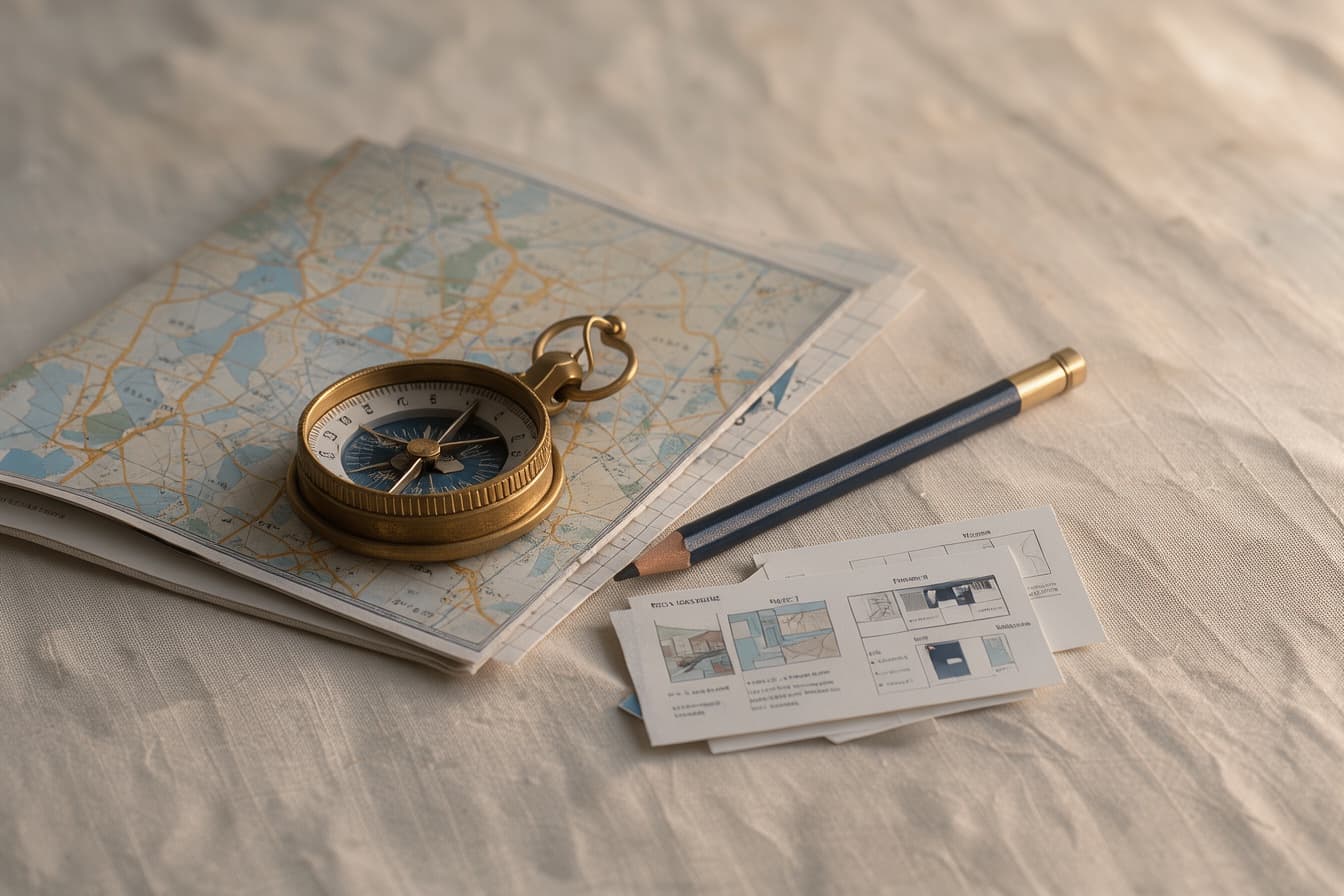
Most failed products were not badly built; they were the wrong thing, built with confidence. Discovery replaces assumptions with evidence, so investment follows real user needs and a clear business case.
When to call us. Signs it’s time for this work.
- A large build is approved but nobody has spoken to users.
- Stakeholders disagree on what the product should do first.
- An existing product has users but adoption is stalling.
- The roadmap is a list of requests, not a set of bets.
What’s included. Scoped to your context, delivered end to end.
- 01
User and market research
Interviews, field visits and data analysis to understand how customers, agents or staff actually work today.
- 02
Opportunity framing
We turn findings into a small set of problems worth solving, each tied to a measurable business outcome.
- 03
Prototyping and testing
Clickable prototypes put in front of real users within days, so ideas are tested before code is written.
- 04
Product roadmap
A sequenced plan of releases, with clear priorities, dependencies and the evidence behind each choice.
How we work. Four phases, with value at every step.
- 1
1 week
Frame
We align sponsors on the ambition, the constraints and the questions discovery must answer.
- 2
2–3 weeks
Research
Interviews and observation with users in context, including offline and low-bandwidth situations where relevant.
- 3
2–3 weeks
Prototype
We sketch, prototype and test the most promising concepts, discarding what users do not value.
- 4
1–2 weeks
Plan
Findings become a prioritised roadmap, a release plan and a costed case for the first build.
What you walk away with
- Research synthesis and user personas
- Validated opportunity map
- Tested clickable prototype
- Prioritised product roadmap
- Business case for first release
What changes
- Investment directed at problems users actually have
- Stakeholders aligned on one clear product direction
- Lower risk before committing to a full build
Where we do this work. Sectors where this service matters most.
- Financial ServicesBanks, insurers and asset managers modernising for a digital, regulated and increasingly competitive market.

- Retail & ConsumerRetailers and consumer brands competing on experience, relevance and agility.
- Healthcare & Life SciencesProviders, payers and life-science companies improving outcomes, access and efficiency.


Common questions.
How long does discovery take?
Typically six to eight weeks. A narrower question can be answered in two or three; we scope the work to the decision you need to make.
Do you need access to our users?
Yes. Discovery depends on speaking with real customers, agents or employees. We handle recruitment and scheduling, and work around your operational constraints.
What if discovery shows we should not build?
That is a useful result. Stopping early, or changing direction, costs far less than launching something nobody uses. We will tell you plainly.
More in Digital Product & Engineering. Offerings that often run together.
- Experience designWe design services, interfaces and journeys that people understand at first use, on any device or connection.
- Software engineeringCross-functional teams that build secure, maintainable software and hand it over in a state your people can run.
- ModernisationWe move ageing core systems onto modern foundations step by step, without stopping the business that depends on them.
Discuss Product strategy & discovery
Tell us where you are. We’ll tell you honestly whether and how we can help.